Le coût caché des TMS sur le lieu de travail
Les troubles musculo-squelettiques (TMS) constituent la catégorie la plus importante d'accidents du travail, représentant 33 % de tous les cas d'accidents du travail et de maladies professionnelles. Le Bureau of Labor Statistics rapporte que les cas de TMS nécessitent une absence médiane de 12 jours d'arrêt de travail, soit plus que tout autre type de blessure. Les coûts directs annuels (médicaux + compensation) dépassent 20 milliards de dollars aux États-Unis, avec des coûts indirects (perte de productivité, recyclage, heures supplémentaires) estimés à 4 à 5 fois les coûts directs.
Limitations de l'évaluation ergonomique traditionnelle
Les évaluations ergonomiques conventionnelles s'appuient sur des outils basés sur l'observation tels que RULA, REBA et OWAS. Bien que utiles, ces méthodes souffrent de limites importantes : la fiabilité inter-évaluateurs est au mieux modérée (kappa de Cohen généralement de 0,4 à 0,6), les évaluations prennent du temps (30 à 60 minutes par poste de travail) et elles ne capturent que des instantanés statiques de processus de travail dynamiques. De plus, la notation subjective rend difficile le suivi des améliorations au fil du temps.
Évaluation ergonomique basée sur la technologie
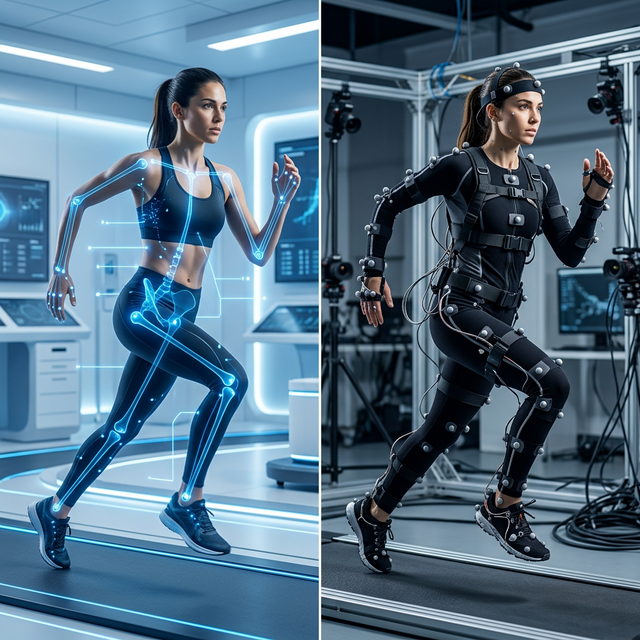
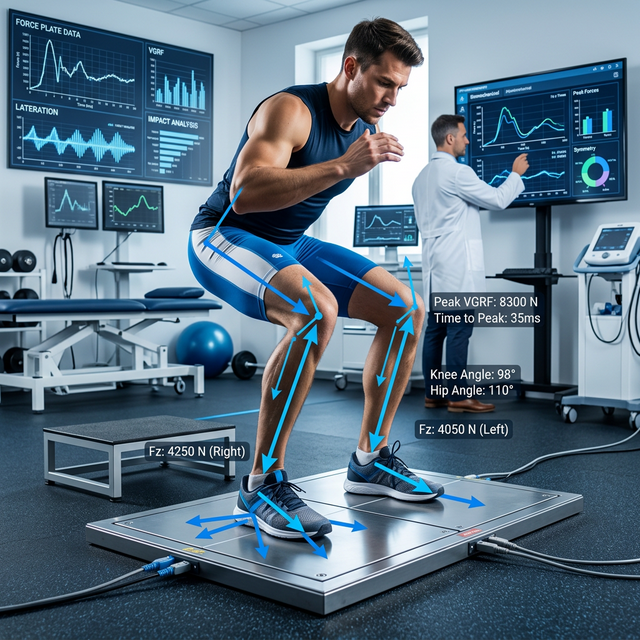
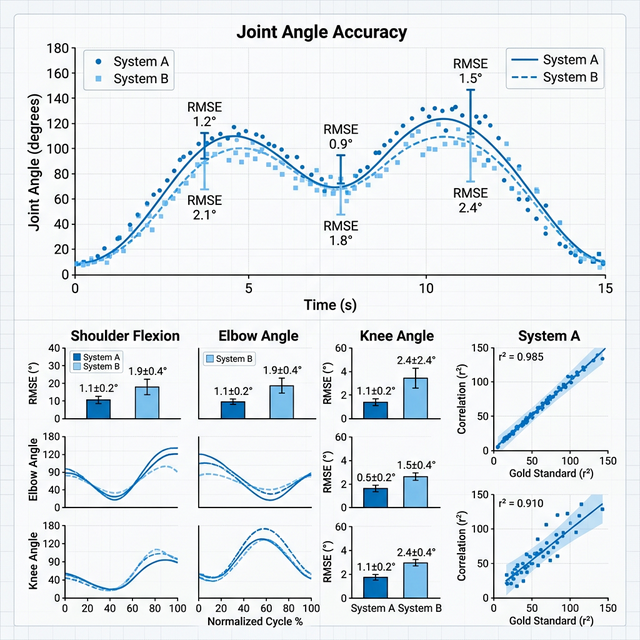
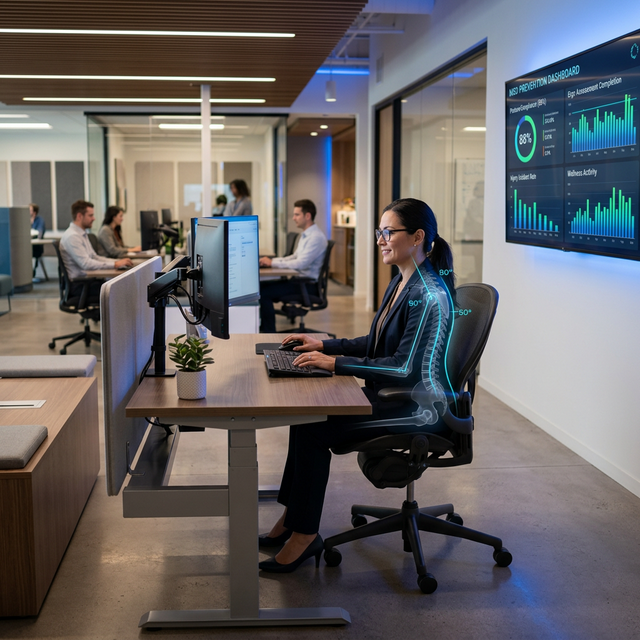
La capture de mouvements basée sur l'IA de HoloMotion transforme l'évaluation ergonomique du lieu de travail. En analysant les schémas de mouvement réels des travailleurs lors de tâches réelles, le système fournit des données objectives et quantitatives sur les profils de charge articulaire et la durée d'exposition, la fréquence et les schémas de mouvements répétitifs, l'identification et la durée des postures inconfortables, les caractéristiques force-vitesse des tâches de manutention manuelle et l'asymétrie bilatérale dans l'exécution des tâches.
Cadre de mise en œuvre
Un programme efficace de prévention des TMS en entreprise comprend quatre phases :
Phase 1 – Évaluation de base : déployez HoloMotion sur les postes de travail à haut risque afin d'établir des références biomécaniques objectives pour tous les travailleurs.
Phase 2 – Stratification des risques : utilisez l'analyse de l'IA pour identifier les travailleurs et les tâches présentant les profils de risque de blessure les plus élevés.
Phase 3 — Intervention ciblée : mettre en œuvre des modifications ergonomiques, proposer des programmes d'étirement/renforcement personnalisés et repenser les tâches à haut risque.
Phase 4 – Surveillance continue : réévaluation régulière pour suivre les améliorations et identifier les risques émergents.
Analyse du retour sur investissement
Les entreprises mettant en œuvre des programmes de prévention des TMS améliorés par la technologie rapportent : une réduction de 40 à 60 % des réclamations pour blessures liées aux TMS, une diminution de 25 à 35 % des coûts d'indemnisation des accidents du travail, une amélioration de 15 à 20 % de la productivité sur les postes de travail modifiés et un retour sur investissement de 3 : 1 à 6 : 1 au cours de la première année. Ces résultats démontrent qu'une intervention ergonomique proactive et basée sur la technologie est à la fois un impératif de santé et un investissement judicieux pour l'entreprise.