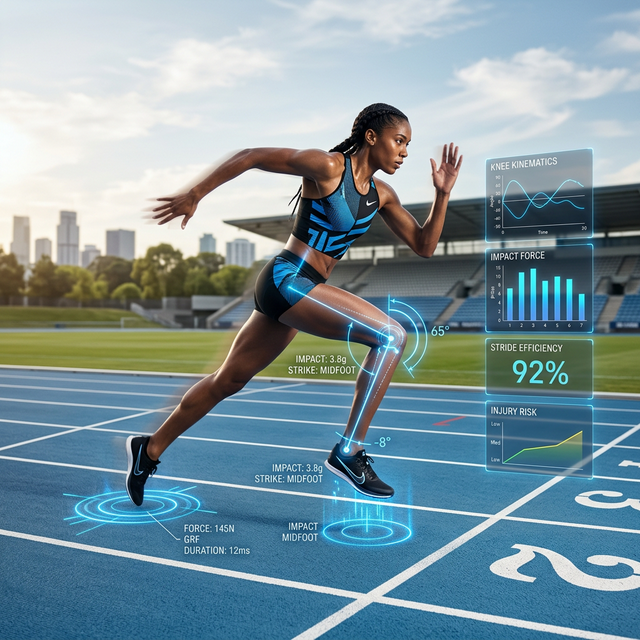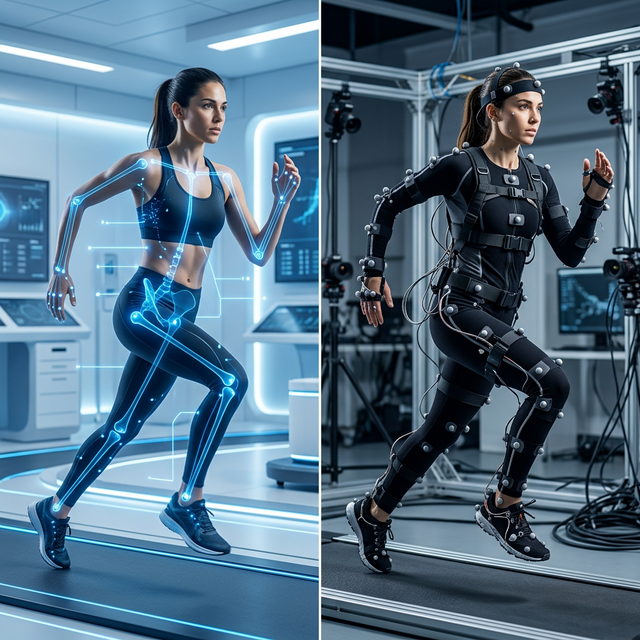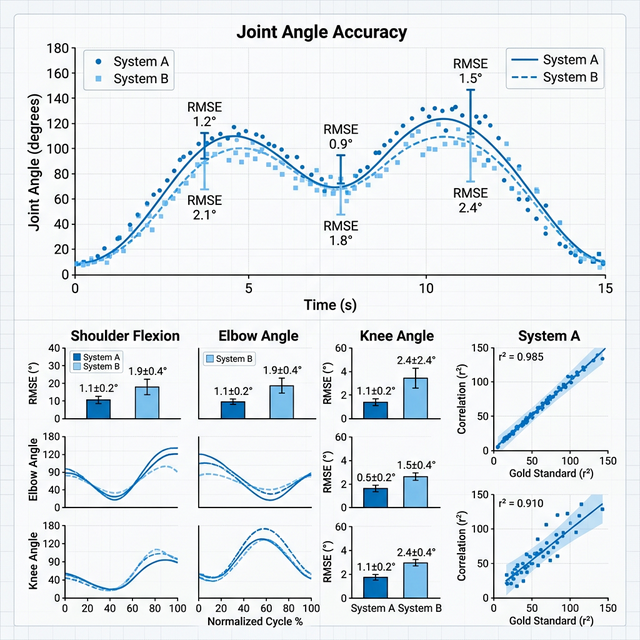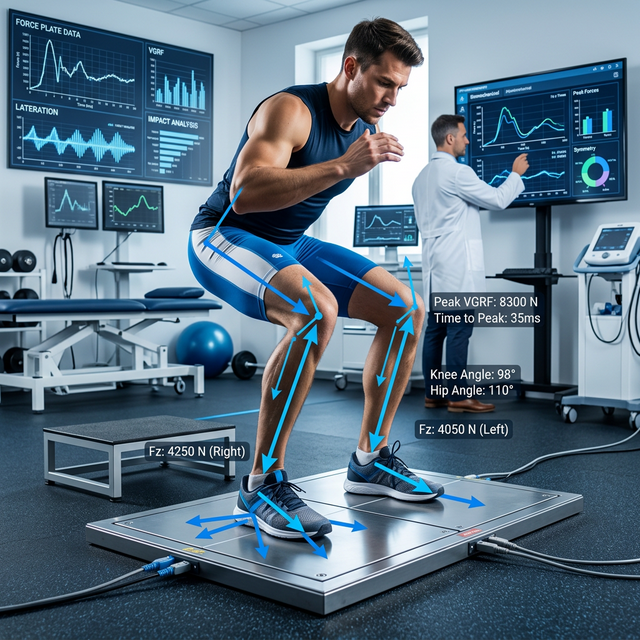
A demo is not a deployment
The easiest version of AI motion capture is a polished demo. The harder version is a workflow that survives ordinary clinical pressure: limited space, busy staff, inconsistent clothing, imperfect lighting, anxious patients, and the need to explain results quickly.
In a demo, the operator can choose the best angle and repeat the movement until the output looks clean. In a real workflow, the system has to guide the operator before capture, detect weak conditions during capture, and produce a report that can be discussed after capture without a data scientist in the room.
That shift from prototype to workflow is where many technical products struggle. The lesson is simple: adoption begins when the team can repeat the result under its own constraints.
Start with the clinical question
A motion capture deployment should begin with a clear question. Are we documenting baseline mobility? Comparing left and right movement patterns? Tracking change after training or rehabilitation? Screening whether a person needs a deeper assessment? Supporting research data collection?
Each question implies a different protocol and a different report. A gait-focused workflow may care about step timing, symmetry, stance behavior, and trend across visits. A squat or sit-to-stand workflow may care about range, control, compensation, and repeatability. A return-to-activity workflow may care about whether the movement quality changes under fatigue.
Without the question, teams end up collecting numbers that look scientific but do not change the next decision.
Protocol is part of the product
In real settings, protocol design is not documentation that sits beside the product. It is part of the product. The system should make the recommended capture distance, camera height, movement instructions, retest process, and quality warnings easy to follow.
HoloMotion’s product philosophy is that a clean protocol reduces interpretation debt. When the team knows how the movement was captured, the report becomes easier to trust. When the protocol is inconsistent, even a sophisticated model can produce outputs that are difficult to compare over time.
This is also why deployment training should focus on repeatable behavior, not only button clicks. Operators need to understand what makes a session usable, what makes it questionable, and when a result should be repeated.
What a useful report must do
A clinical report should not overwhelm the user with raw coordinates. It should organize movement information around the decision being made.
- Show the key measurements that changed from baseline or between sides.
- Explain which movement phase or joint contributed to the change.
- Separate observation from interpretation so the clinician can apply context.
- Make uncertainty and capture quality visible instead of hiding them.
- Support export, review, and longitudinal comparison without forcing manual spreadsheet work.
This is where product design and biomechanics meet. The report has to be technically honest and operationally readable at the same time.
Deployment metrics that matter
When a team pilots AI motion capture, it should measure more than whether the model can produce a skeleton. It should measure setup time, failed-capture rate, staff training time, report review time, patient or athlete comprehension, and whether the data changes follow-up actions.
Those metrics reveal whether the technology is becoming part of care delivery or staying as an isolated experiment. A smaller set of reliable measurements used every week is often more valuable than a large set of impressive measurements used only once.
Evidence boundary
HoloMotion public accuracy language should be read as internal benchmark and technical validation under documented capture conditions. This article does not claim external peer-reviewed clinical publication, standalone diagnostic status, or jurisdiction-specific clearance. Teams should evaluate AI motion capture within their own workflow, users, and governance requirements.
Where to read next
For implementation details, continue with Healthcare solutions and Science.