The access problem behind motion analysis
When people talk about motion capture, the discussion often starts with cameras, markers, force plates, or model accuracy. Those details matter, but they are not the first problem HoloMotion was built to address. The deeper problem is access: most movement decisions happen far away from a specialist laboratory.
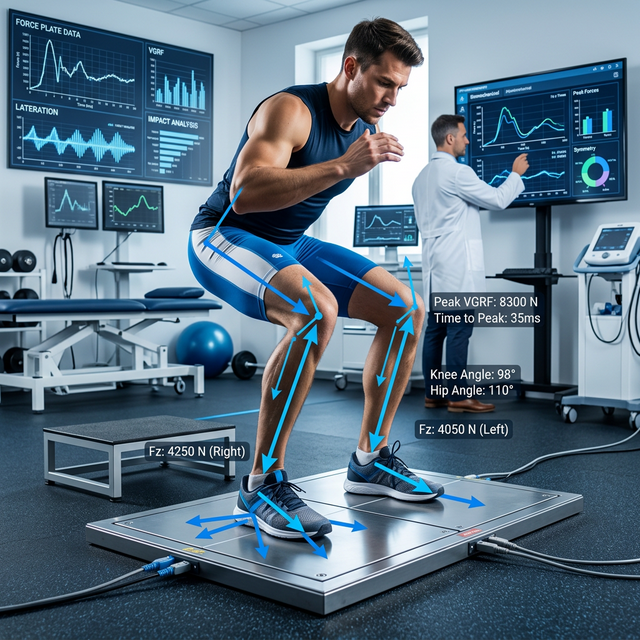
A rehabilitation team may need to compare a patient’s squat or gait pattern between visits. A sports coach may want to understand whether an athlete’s form changed under fatigue. A wellness program may want repeatable movement screening without turning each session into an equipment project. In each case, the value of motion data depends on whether the measurement can be repeated in the setting where the decision is made.
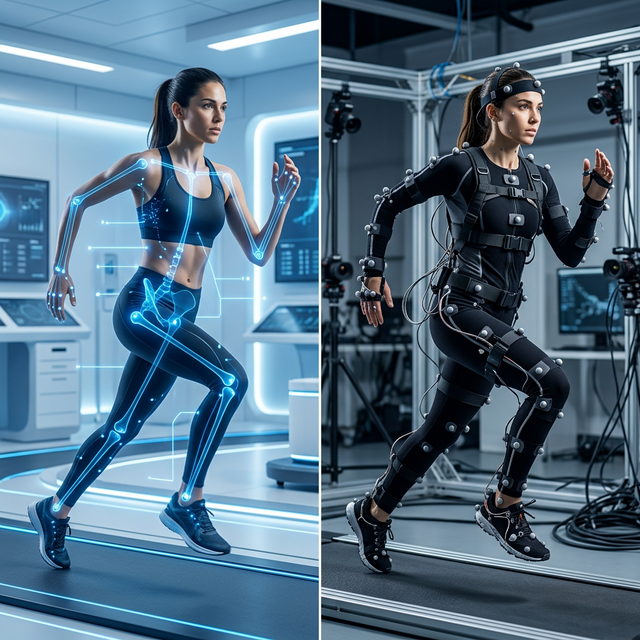
That is why markerless motion capture matters. Removing body markers and wearable sensors is not just a convenience feature. It changes who can collect data, how often data can be collected, and whether movement analysis becomes part of the workflow rather than a special event.
What markerless capture actually changes
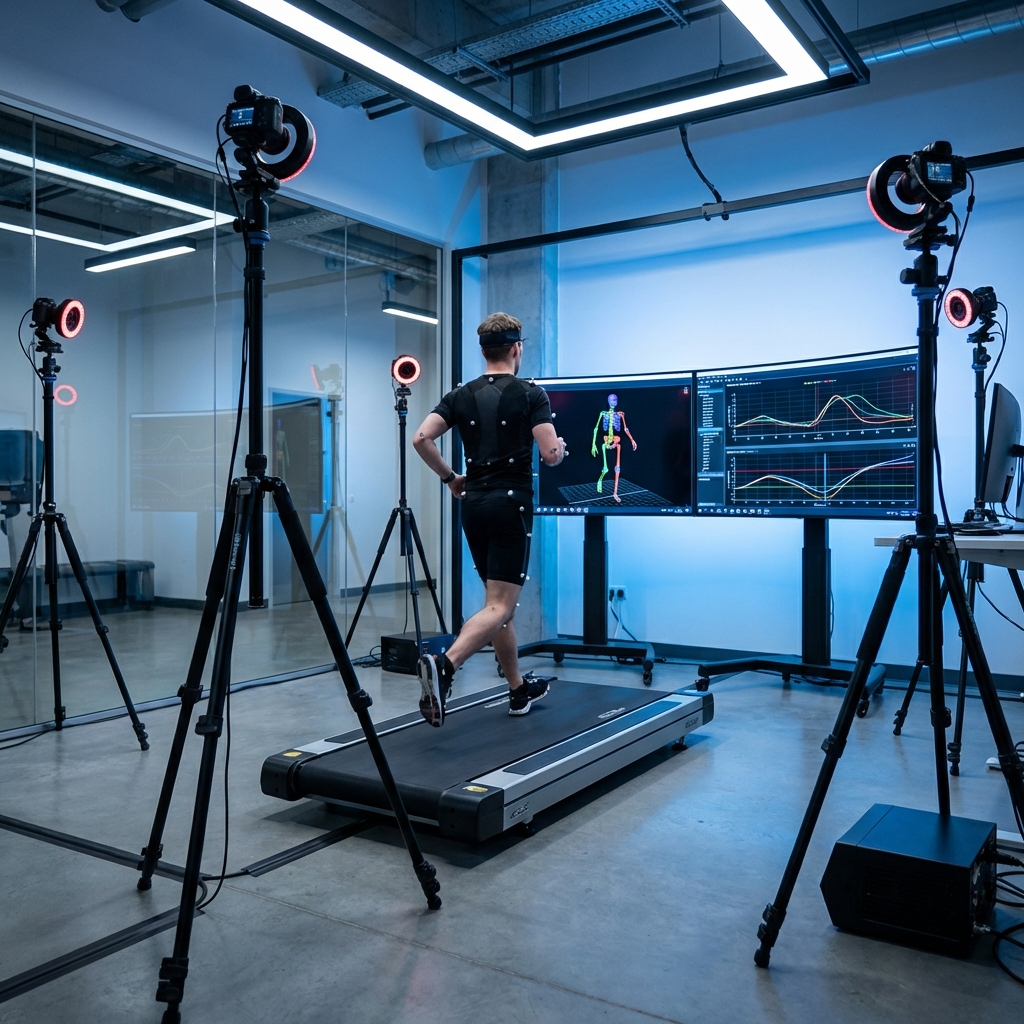
Markerless systems reduce friction at the capture layer. The subject does not need to wear a sensor, tape reflective markers to anatomical landmarks, or enter a tightly controlled lab before every measurement. A camera-based workflow can be set up faster, repeated more often, and used in spaces that already exist inside a clinic, training facility, school, or research program.
The practical outcome is not simply faster capture. It is a different relationship with longitudinal data. When a test can be repeated without a large setup cost, teams can compare baselines, retests, left-right asymmetry, fatigue response, and recovery trends with less operational resistance.
This is especially important for workflows that depend on change over time. A single measurement may be useful, but repeated measurements are often what make movement analysis actionable.
Why easier capture still needs discipline
A lower-friction system should not mean a lower standard of interpretation. The opposite is true. When motion capture becomes easier to use, the product has to make its assumptions more visible because more people will rely on the output.
For HoloMotion, that means the protocol matters. Camera position, movement instructions, clothing visibility, lighting, occlusion, frame rate, subject distance, and the definition of each reported angle all influence the quality of the result. A serious markerless system should explain those boundaries instead of hiding them behind a single score.
This is also why the founder view is cautious about broad claims. Camera-based analysis can make movement measurement more accessible, but every output must be read within the capture conditions and the validation context that produced it.
How teams should evaluate a markerless workflow
Before comparing marketing claims, teams should test the workflow they actually intend to use. A strong evaluation looks at the entire loop from capture to decision.
- How long does setup take for a normal operator?
- Can the same movement be repeated across different days without changing the protocol?
- Does the report explain joint angles, timing, asymmetry, and trend data in language the user can act on?
- Does the system show when the capture conditions are weak or outside the recommended protocol?
- Can the output support a discussion between clinician, coach, researcher, and subject without pretending to replace professional judgement?
These questions are less glamorous than model demos, but they determine whether the system will keep being used after the first trial.
Where HoloMotion fits
HoloMotion is built around the idea that movement intelligence should be available in normal environments. The product direction is camera-based, markerless, repeatable, and designed to turn visual movement into structured biomechanical signals.
The goal is not to make every room into a laboratory. The goal is to bring enough structure, repeatability, and transparency into everyday environments so teams can make better movement-informed decisions. That requires AI, but it also requires protocol design, clear reports, and humility about what the system can and cannot claim.
Evidence boundary
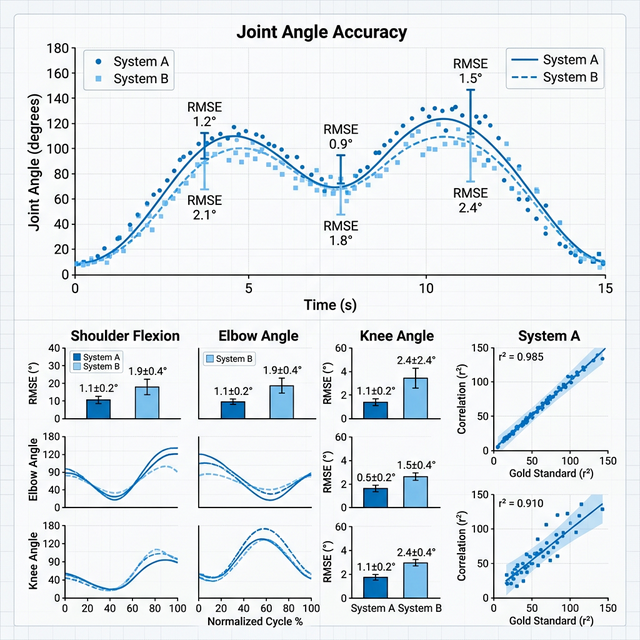
HoloMotion public accuracy language should be read as internal benchmark and technical validation under documented capture conditions. This article does not claim external peer-reviewed clinical publication, standalone diagnostic status, or jurisdiction-specific clearance. It is a founder’s product and workflow perspective on why markerless motion analysis is worth building carefully.
Where to read next
For implementation details, continue with Science and Technology.