The category is moving from equipment to workflow
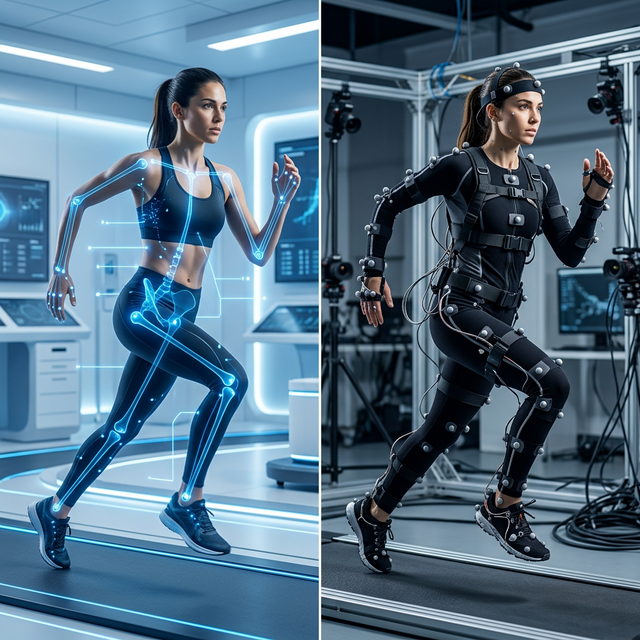
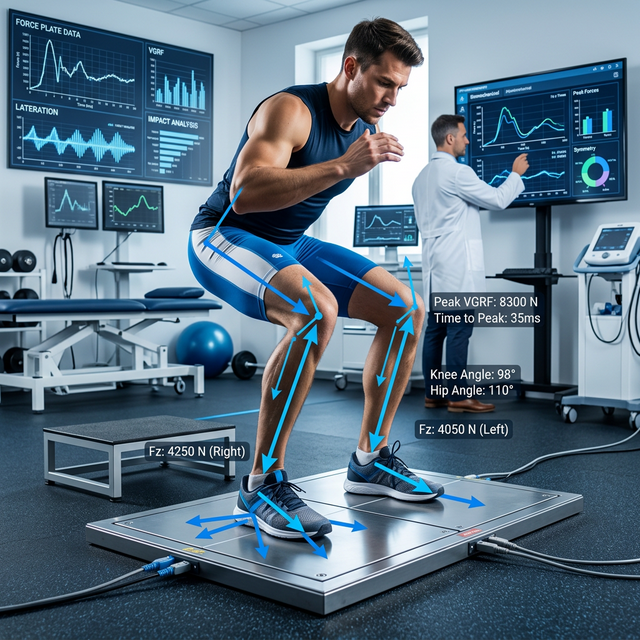
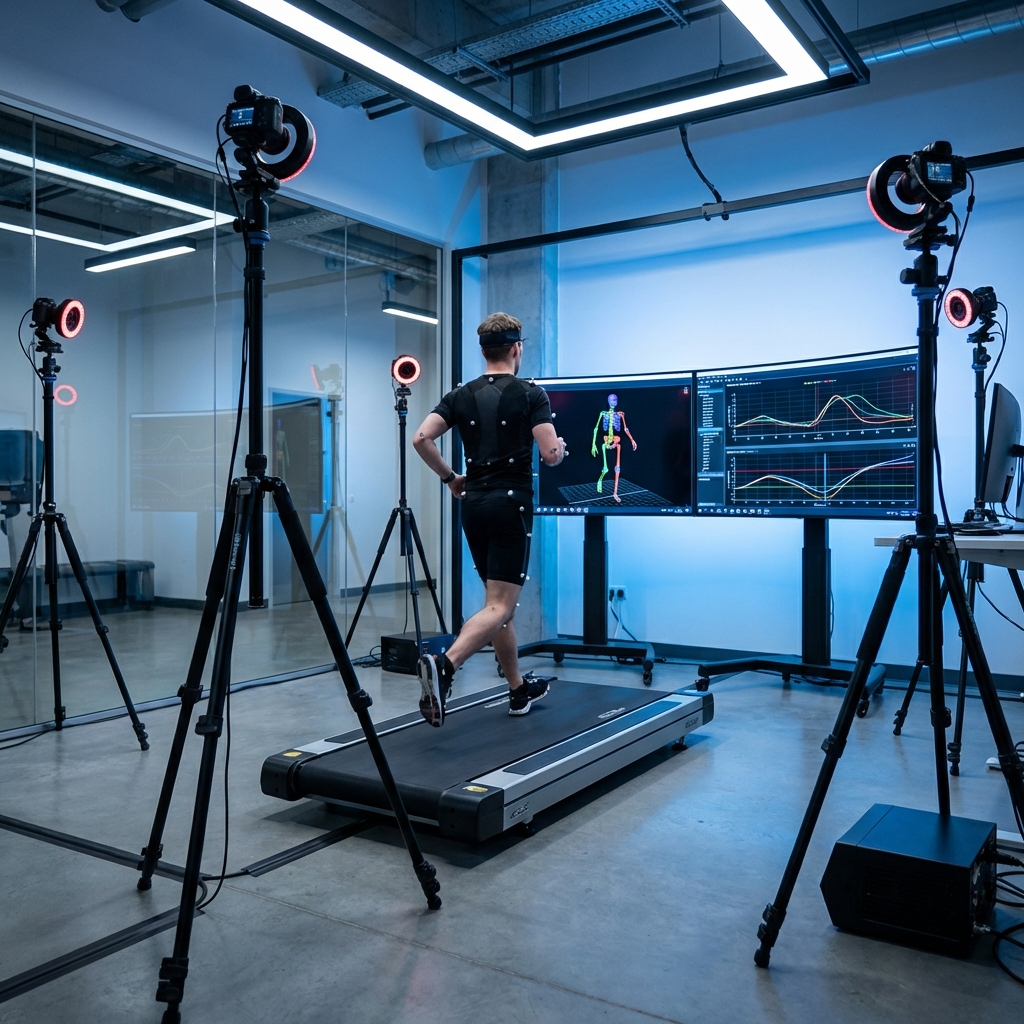
For many years, motion capture was defined by the equipment required to collect it. Markers, calibrated rooms, specialist cameras, and trained operators created a high-quality measurement environment, but also limited where measurement could happen.
The next shift is different. The question is no longer only whether motion data can be captured. The question is whether it can become repeatable infrastructure for people who make daily decisions about movement: clinicians, coaches, researchers, wellness operators, and product teams.
Markerless capture is one part of that shift. AI analysis, standardized protocols, reporting design, and longitudinal data management are just as important.
After markers does not mean without standards
It is tempting to frame the future as markers versus markerless. That framing is too simple. Marker-based systems remain important in controlled environments. The real opportunity is to extend useful movement analysis into settings where marker-based workflows are impractical.
A markerless future still needs standards: defined tasks, consistent camera setup, documented limitations, quality checks, and clear interpretation boundaries. Without those standards, easier capture can create more numbers without creating better decisions.
The product challenge is to make standards easier to follow. A workflow can be accessible without being casual.
Longitudinal records will matter more than isolated sessions
The biggest value of accessible motion capture may come from repetition. When movement data can be captured regularly, teams can observe change instead of relying on memory or a single test day.
A longitudinal record can show whether range, control, asymmetry, timing, or variability changed after training, therapy, rest, workload changes, or a new intervention. It can also show when a measurement is inconsistent enough to require retesting.
This turns motion analysis into a feedback system. The data becomes useful because it connects one session to the next.
The user interface becomes a scientific instrument
As capture becomes easier, the interface becomes more important. A confusing report can waste good data. A well-designed report can help a multidisciplinary team discuss the same movement using shared language.
The best systems will not only display a skeleton. They will organize the capture around the question, show the movement phase, highlight meaningful changes, expose confidence or quality warnings, and link results back to protocol.
This is where HoloMotion sees the category going: from impressive visual overlays toward structured movement intelligence.
How buyers should think about the next generation
Teams evaluating the next generation of motion capture should look beyond hardware substitution.
- Can non-specialist operators run a reliable assessment?
- Does the system support the movements that matter in the buyer’s setting?
- Can reports be compared over time without manual cleanup?
- Are technical limits visible enough for responsible use?
- Does the vendor separate product claims from clinical, coaching, or research judgement?
Those questions reveal whether a platform is ready for workflow adoption or only for demonstration.
Evidence boundary
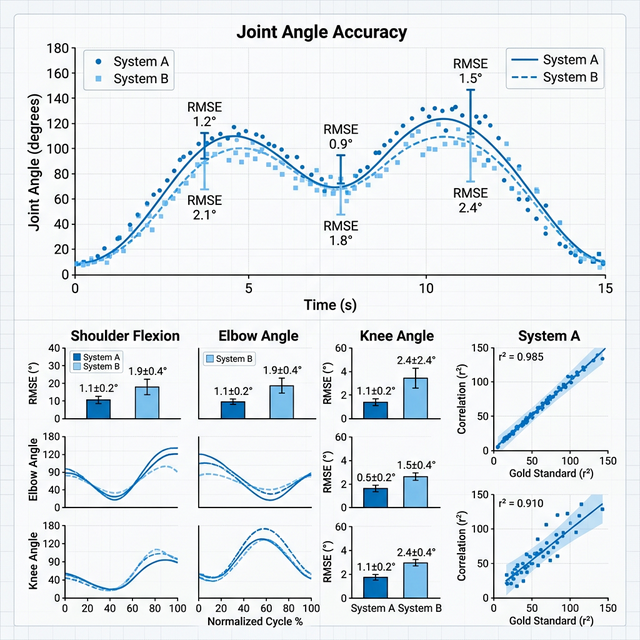
HoloMotion public accuracy language should be read as internal benchmark and technical validation under documented capture conditions. This article is a founder’s category perspective. It does not claim external peer-reviewed clinical publication, standalone diagnostic status, or jurisdiction-specific clearance.
Where to read next
For implementation details, continue with Solutions and About HoloMotion.